

They are called temporary because they are used temporarily to record activity for a specific period (the accounting period), and then they are closed into Retained Earnings. All of these entries have emptied the revenue, expense, and income summary accounts, and shifted the net profit for the period to the retained earnings account. We see from the adjusted trial balance that our revenue account has a credit balance. To make the balance zero, debit the revenue account and credit the Income Summary account. From this trial balance, as we learned in the prior section, you make your financial statements.
Understanding Notes Payable Journal Entries Explained

The above closing entries are recorded in both the general journal and the general ledger. If you’re using a computerized accounting system, the software may automatically perform the closing entries closing process. After the posting of this closing entry, the income summary now has a credit balance of $14,750 ($70,400 credit posted minus the $55,650 debit posted). As mentioned, one way to make closing entries is by directly closing the temporary balances to the equity or retained earnings account. Accounts are considered “temporary” when they only accumulate transactions over one single accounting period.
Closing Entry Definition, Types & Examples
Double Entry Bookkeeping is here to provide you with free online information to help you learn and understand bookkeeping and introductory accounting. Now, if you’re new to accounting, you probably have a ton of questions. Discover effective strategies for maximizing efficiency through automated data extraction. Download our data sheet to learn how you can manage complex vendor and customer rebates and commission reporting at scale.
Temporary and Permanent Accounts
All drawing accounts are closed to the respective capital accounts at the end of the accounting period. Opening entries, also known as initial entries, are made at the beginning of an accounting period. All opening entries should be recorded in the general ledger journal of the business and will represent the opening balance of accounts for the new period. The cyclical reporting of accounting periods can span monthly, quarterly, and annual time frames. However, when it comes to opening and closing accounts, this typically happens on a yearly or monthly basis, depending on the type and size Catch Up Bookkeeping of the company. Mistakes can lead to wrong financial reports, bad decisions, and legal problems.
- It consists of specific steps that transfer balances from temporary accounts to the retained earnings account, ensuring a clean slate for the next accounting period.
- Next, move the balances of all expense accounts into the Income Summary account as well.
- This requires creating journal entries that debit the income summary account and credit each expense account.
- Closing entries do not change the current period’s reported financial statements but instead reset temporary accounts to zero for the next period.
- Consider a publicly traded company, Northern Lights Inc., which must prepare its financial statements in accordance with IFRS.
Best Accounting Books
- Income Summary is then closed out to the Capital or Equity or Retained Earnings accounts.
- If expenses exceed revenues, a net loss occurs, which directly affects distribution.
- This account helps businesses shift their revenue and expense balances from the temporary accounts into the permanent account known as retained earnings found on the balance sheet.
- To get a zero balance in the Income Summary account, there are guidelines to consider.
- The last step in preparing a closing entry is to transfer the dividends or withdrawals into retained earnings or capital.
- The income summary account is another temporary account, only used at the end of an accounting period.
The $1,000 net profit balance generated through the accounting period then shifts. A business will use closing entries in order to reset the balance of temporary accounts to zero. This is because closing requires that the account balances be cleared, to prepare for the next accounting period. The next day, January 1, 2019, you get ready for work, but before you go to the office, you decide to review your financials for 2019. What are your total expenses for rent, electricity, cable and internet, gas, and food for the current year?

What is the Purpose of Opening and Closing Accounts?
By following the right accounting rules during the closing process, your financial statements pass audits. Following these steps ensures that temporary accounts are properly closed, preventing carryover balances. Only income statement accounts help us summarize income, so only income statement accounts should go into income summary. What is the current book value of your electronics, car, and furniture? Are the value of your assets and liabilities now zero because of the start of a new year?

Key considerations include the final adjustments to cash accounts, determining net income or loss, and evaluating the capital accounts of owners. Finalizing a business requires meticulous preparation of financial statements. This ensures that all data is accurate and reflects the business’s financial position at how is sales tax calculated closure. Two critical components in this process are assembling the financial statements and finalizing the trial balance.
- All temporary accounts with a debit balance, particularly the expense accounts, are credited while the income and expense summary account is debited.
- This is because closing requires that the account balances be cleared, to prepare for the next accounting period.
- Here are some real-world examples so you can see how closing entries work.
- We are going to go over these at a high level and then jump into each step individually.
- Having an intermediate income summary account proves helpful to the accountant here as it provides a trail of accounting closing entries for each financial transaction.
- Closing entries are a necessary part of the accounting cycle as they allow businesses to generate financial statements and file tax returns every month and year accurately.
Temporary accounts accumulate data for a specific period and need to be cleared for a new reporting cycle. Without closing entries, revenue and expense accounts would carry balances from previous periods, distorting financial reports. This process results in all revenues and expenses being “corralled” in Income Summary (the net of which represents the income or loss for the period). In turn, the income or loss is then swept to Retained Earnings along with the dividends. Notice that the balances in the expense accounts are now zero and are ready to accumulate expenses in the next period. The Income Summary account has a new credit balance of $4,665, which is the difference between revenues and expenses ((Figure)).

It offers automated workflows, real-time visibility, and solid compliance checks, so you can manage your financial books stress-free. AB Ltd. will debit Revenue for $50,000 and credit the Income Summary for the same amount. Now that you know the different accounts involved, let’s look at how to do closing entries in accounting. All modern accounting software automatically generates closing entries, so these entries are no longer required of the accountant; it is usually not even apparent that these entries are being made. If it all seems a bit complex or maybe you are a small business owner who takes on their own accounting, you may wonder if you really need to know closing entries in practice. The beautiful thing is that some accounting programs like QuickBooks, make these entries for you.
- (Figure)Identify whether each of the following accounts is nominal/temporary or real/permanent.
- The income summary is used to transfer the balances of temporary accounts to retained earnings, which is a permanent account on the balance sheet.
- The post-closing T-accounts will be transferred to thepost-closing trial balance, which is step 9 in the accountingcycle.
- In a retail business, the income summary is used as a temporary account to close revenues and expenses.
- The next step is to repeat the same process for your business’s expenses.
- Take note that closing entries are prepared only for temporary accounts.
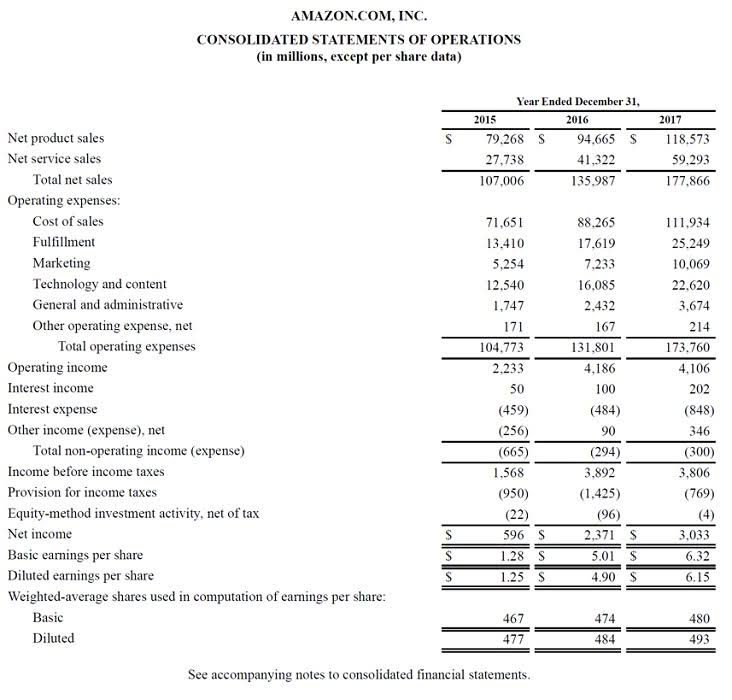
You should recall from your previous material that retained earnings are the earnings retained by the company over time—not cash flow but earnings. Now that we have closed the temporary accounts, let’s review what the post-closing ledger (T-accounts) looks like for Printing Plus. The first entry closes revenue accounts to the Income Summary account. The second entry closes expense accounts to the Income Summary account. The third entry closes the Income Summary account to Retained Earnings. The information needed to prepare closing entries comes from the adjusted trial balance.